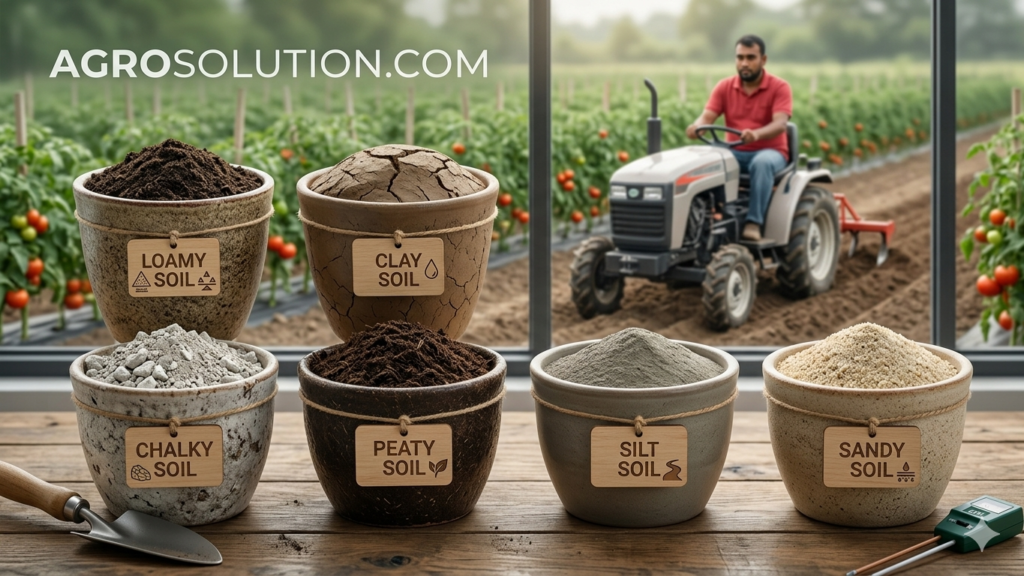
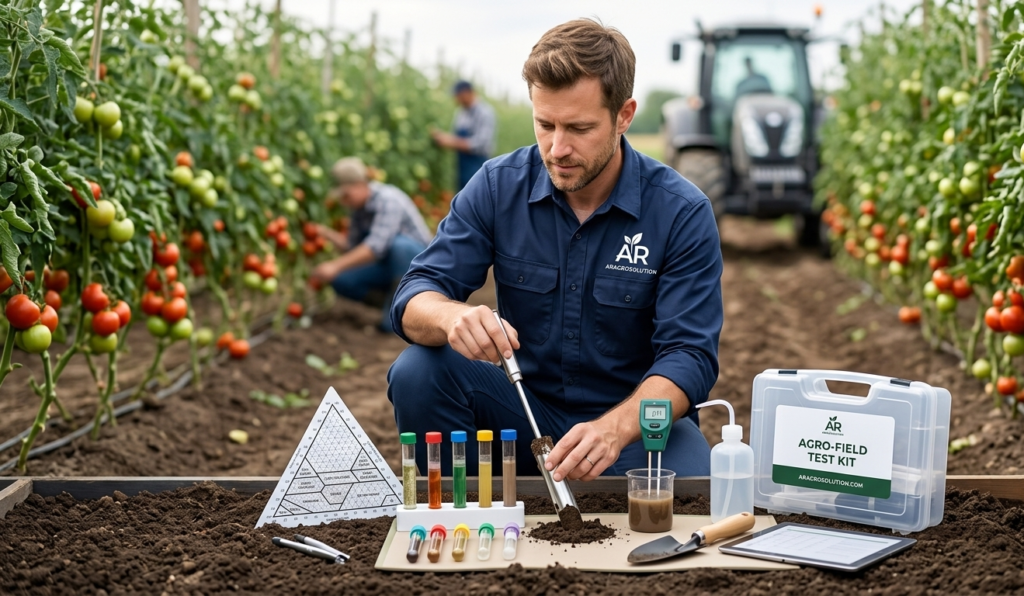
Rooftop organic farming is transforming urban concrete landscapes into productive agricultural hubs. Utilizing rooftops for food production offers numerous environmental and economic benefits, including localized food security, reduced building cooling costs, and urban heat island mitigation. However, converting a flat rooftop into a high-yielding organic farm introduces unique structural and biological challenges that traditional in-ground farming methods do not face.
Among these challenges, structural weight limits, drainage management, and root-zone thermal dynamics are the most critical factors. Traditional clay, terracotta, or heavy plastic containers often exacerbate these issues, causing structural strain and poor root development.
Fabric grow bags have emerged as an essential technology for modern rooftop agriculture. By offering a lightweight, breathable, and highly durable alternative to rigid pots, grow bags provide the precise structural and biological conditions required for rooftop organic farming to thrive.
In this comprehensive guide, we will explore the science behind grow bag technology, evaluate the specific demands of rooftop environments, analyze the core materials used in fabric container construction, and establish a data-driven framework to help you select the best grow bags to maximize your rooftop organic harvests.
The Rooftop Subsoil Challenge And Fabric Solution
Cultivating organic crops on a rooftop requires a deep understanding of urban architectural limits and plant physiology. A rooftop is an intense microclimate characterized by high wind exposure, intense solar radiation, and zero natural subsoil buffering.
The primary constraint of any rooftop farming project is the building’s dead load capacity. Standard residential and commercial roofs are engineered to support specific weight thresholds per square foot.
The Problem with Rigid Pots: Large clay, ceramic, or thick-walled plastic containers add significant dead weight even before adding soil or water. When filled with mature organic soil matrices and thoroughly irrigated, the cumulative weight can easily exceed safe structural limits, risking architectural damage.
The Grow Bag Advantage: Fabric grow bags are virtually weightless on their own. By substituting heavy, rigid containers with lightweight geotextiles, you save hundreds of pounds across a rooftop layout. This allows you to allocate your precious weight capacity entirely to what matters most: high-quality organic compost, moisture-retaining soil blocks, and mature, high-yielding crop networks.
In traditional rigid plastic or ceramic pots, plant roots grow outward until they strike the unyielding wall of the container. Lacking any alternative path, the root tip continues moving, curling around the perimeter of the pot. This behavior leads to a condition known as “root-bound circling.”
As a root circles tightly around a rigid pot, it forms a dense, tangled mass that chokes itself out over time. The plant develops a structurally weak root system with limited access to nutrients and water, reducing crop yields and increasing vulnerability to disease.
Fabric grow bags eliminate this issue entirely through a natural process called air pruning:
1. When a root tip reaches the permeable fabric wall of a grow bag, it encounters a zone of higher air exposure and lower moisture.
2. Rather than forcing its way along a hard barrier, the root tip naturally dries out and stops growing forward.
3. This top-end pruning signals the plant internally to release lateral roots from the core base.
4. The plant continuously develops a highly distributed, fibrous web of thousands of tiny root branches.
This dense, high-surface-area root network maximizes water absorption and organic nutrient uptake, leading to faster vegetative growth, stronger stems, and significantly higher fruit and vegetable yields.
Top 5 Best Grow Bags For Rooftop Organic Farming
 |
|  |
|---|---|---|
 |
| |
 |
| |
 |
| |
 |
| |
1. 12-Pack 5 Gallon Grow Bags, 300G Thickened Nonwoven Garden Pots
In modern urban agriculture and rooftop farming, minimizing weight while maximizing root health is the key to unlocking peak crop yields. Traditional plastic or ceramic pots restrict root expansion and trap stagnant water, creating an immediate growth bottleneck. In this article, we advocate for data-driven cultivation setups that work in harmony with plant physiology.
Our premium 5-Gallon Non-Woven Fabric Grow Bags are engineered to eliminate these structural limitations, providing an ideal, highly breathable environment where your plants can truly thrive.
- Advanced Structural and Biological Root Care
Constructed from premium, BPA-free non-woven geotextile fabric, these grow bags transition your garden away from restrictive potting limits toward optimal subterranean health:
Natural Air-Pruning Mechanics: The highly porous fabric allows roots to breathe continuously. When root tips reach the container wall, they are naturally air-pruned instead of circling tightly, stimulating the plant to grow a dense, fibrous web of lateral roots for maximum nutrient uptake.
Elimination of Transplant Shock: This improved overall root architecture drastically decreases the risk of transplant shock, ensuring seamless transitions and stronger vegetative growth.
Microclimate Thermal Control: The innovative fabric design acts as a natural temperature regulator, keeping sensitive root zones significantly cooler in the scorching summer heat and warmer during crisp winter drops.
- Smart Drainage and High-Density Versatility
Rooftop and patio environments demand flawless water management and efficient space utilization to maximize seasonal output:

Precision Water Drainage: The technical fabric provides effortless drainage across the entire soil profile. By letting excess water seep out naturally, it completely eliminates overwatering risks and prevents root rot.
High-Density Cultivation: These containers empower you to grow more food in less space. You can easily cultivate multiple compatible plant varieties within a single layout, establishing a quick, high-yielding garden on any flat concrete surface or balcony.
- High Tensile Strength and Effortless Storage
Designed to withstand the harsh physical demands of exposed outdoor setups, this system focuses heavily on field mobility and long-term durability:
Built-In Heavy-Duty Handles: Every bag features built-in, reinforced study handles, allowing you to easily lift and transport your crops anywhere and anytime to track shifting solar pathways or shelter them from high winds.
Compact Breakdown: Perfect for both indoor and outdoor seasonal rotations, these flexible bags are easy to wash, fold flat, and store away compactly between growing cycles.
Comprehensive Commercial Package: Each commercial-grade kit includes 12 heavy-duty 5-gallon grow bags paired with 12 durable plant labels to streamline your crop tracking. Every 5-gallon container is perfectly proportioned at ]12″ in diameter and 10″ in height] to support healthy root depth.
2. 24-Pack 10 Gallon Nonwoven Grow Bags, Plant Grow Bags
To scale a rooftop or patio organic farm successfully, maximizing subterranean root volume while maintaining structural portability is essential. Traditional hard-shell pots restrict lateral root extension, leading to root-bound circling and stagnant water pooling.
The Premium 10-Gallon Polyester Felt Grow Bag System eliminates these architectural boundaries, providing an expansive, highly breathable environment designed to support high-yielding crops and complex root networks.

- Advanced Geotextile Breathability & Structural Root Care
Constructed from heavy-duty, high-quality non-woven polyester felt fabric, these containers transition your urban farm away from restrictive boundaries toward optimal biological health:
Natural Air-Pruning Mechanics: The highly porous fabric allows roots to breathe continuously from all sides. When root tips reach the felt boundary, they are naturally air-pruned by the exterior air, signaling the plant to develop a dense, fibrous web of lateral roots that maximizes organic nutrient absorption.
Superior Drainage Dynamics: The cloth grow bags automatically regulate moisture levels. By allowing excess water to drain off quickly across the entire surface profile, the system holds the right amount of water while completely preventing overwatering, root suffocation, and soil souring.
- High-Tensile Mobility & Multi-Season Reusability
Rooftop microclimates are dynamic, requiring flexible workspace solutions to protect heavy-fruiting crops from intense solar baking or high wind shears:
Reinforced Built-In Handles: The sturdy integrated handles allow fully hydrated, mature containers to be transported safely anywhere and anytime, facilitating effortless indoor or outdoor crop rotations.
Space-Saving Storage: Unlike rigid plastic bins that clutter valuable storage sheds, these durable, reusable felt bags are easy to wash, fold flat, and store away compactly between seasonal shifts.
The Commercial Homestead Pack: Each high-yield bundle delivers a comprehensive 24-pack of 10-gallon grow bags paired with 24 durable plant labels, providing enough quantity to establish a systematic, easily tracked urban canopy.
3. Land Guard 4-Pack Fabric Grow Bags
In precision urban agriculture and rooftop cultivation, maintaining an optimal root-zone microclimate is the foundation for achieving high crop yields. Traditional rigid plastic and ceramic containers introduce major efficiency bottlenecks, such as heavy dead weight, poor structural aeration, and stagnant water pooling. The Land Guard Non-Woven Fabric Grow Bag System eliminates these architectural limitations through advanced geotextile engineering. Crafted using proprietary high-strength weaving technology, these premium planting bags remain remarkably lightweight while possessing an impressive ability to bear weight under heavy soil and water loads. This innovative structural design allows modern growers to optimize space efficiency and establish high-yielding canopy networks on rooftops, balconies, or patios without compromising building safety.

The biological performance of the Land Guard system centers on superior root-zone dynamics and excellent drainage. By allowing water to filter naturally through the fabric matrix, these bags eliminate the risks of overwatering, soil souring, and root rot. Simultaneously, the breathable non-woven fabric allows root systems to absorb oxygen continuously from all sides. This advanced airflow prevents restrictive, circling root structures entirely; when root tips reach the breathable container wall, they are naturally air-pruned, signaling the plant to develop a dense, fibrous web of lateral roots for maximum nutrient uptake. Furthermore, the material delivers excellent thermal insulation, protecting sensitive roots by keeping the substrate cooler in scorching summer heat and warmer during unexpected winter drops.
As a customer-focused flagship product, Land Guard grow bags are engineered for long-term field durability, space efficiency, and effortless transport. Equipped with heavy-duty handles and rugged, tear-resistant stitching, these bags allow you to safely move containers full of hydrated soil and mature plants to follow changing solar pathways or shield crops from intense wind shears. When the seasonal harvest concludes, their flexible design makes them incredibly space-saving and easy to fold flat for secure storage, extending their overall service life across multiple cycles. Stop relying on guesswork to manage your garden infrastructure; invest in a high-efficiency system built to exceed expectations.
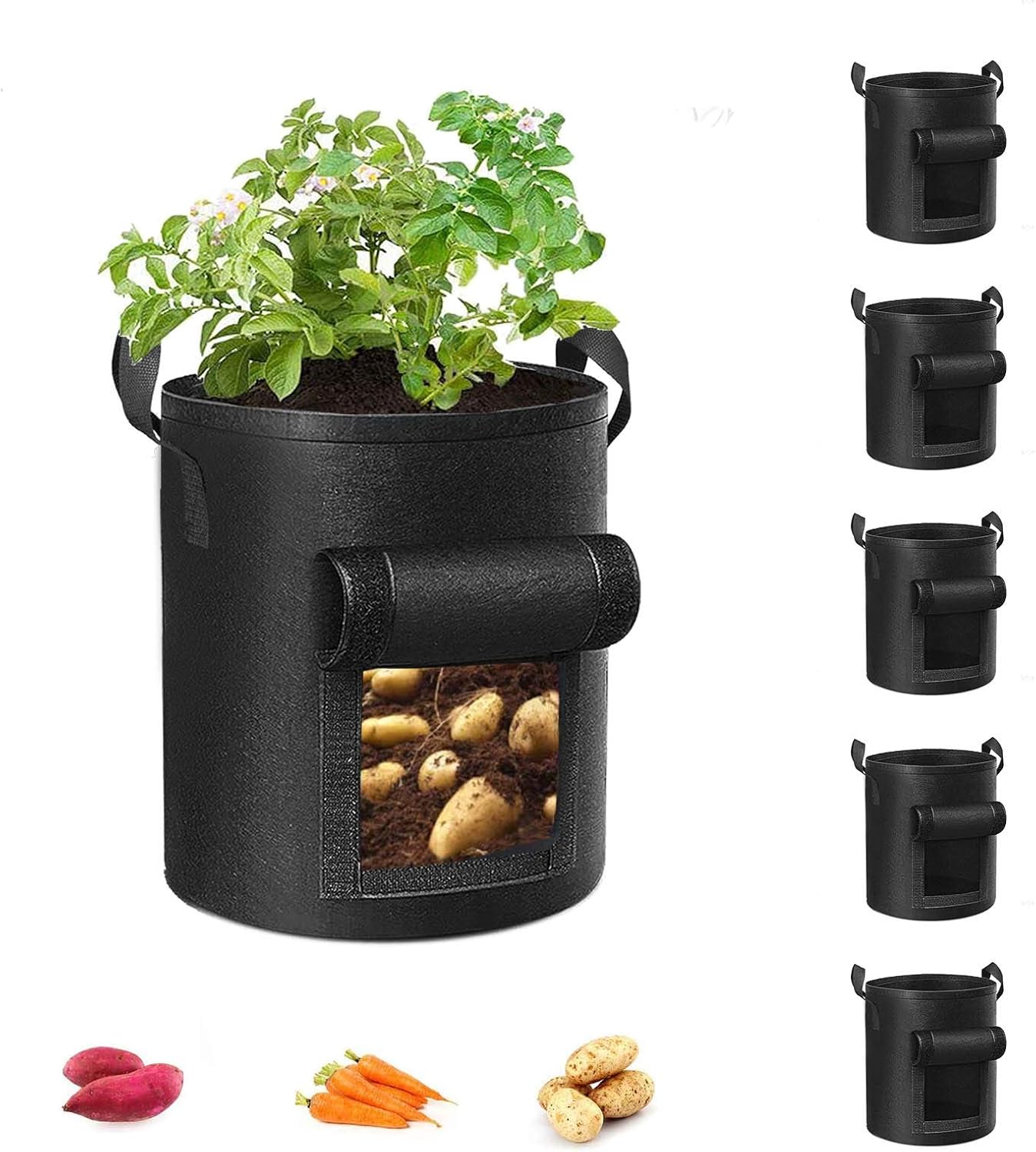
4. 5-Pack 10 Gallon Potato Grow Bags, Garden Planting Bag
Achieving high-yielding urban agricultural outcomes requires maintaining an optimal root-zone microclimate. Traditional rigid pots restrict lateral root extension, causing restrictive root circling and stagnant water pooling. Constructed from heavy-duty, 300g thick non-woven fabric, this premium grow bag transitions your garden away from these limitations toward optimal biological health. The highly breathable geotextile material ensures rapid drainage and continuous oxygen exchange, providing an ideal growth environment while completely preventing root circling. When root tips reach the breathable wall, they naturally air-prune, signaling the plant to develop a dense, fibrous web of lateral roots that maximizes nutrient uptake.

Engineered to withstand harsh rooftop and patio conditions, the durable fabric is built to be reused for more than 3 years of continuous outdoor cultivation. To facilitate effortless garden management, the chassis features an innovative visualization window that allows you to easily evaluate root development and accurately determine when underground crops are mature for harvest without disturbing the soil. Mobility is fully optimized through reinforced handles constructed from strong polypropylene webbing. Secured with heavy-duty, X-shaped stitching, these handles provide structural support so you can lift and transport mature, soil-filled bags safely to track changing solar pathways.
This specialized container system perfectly balances long-term field durability with advanced physiological root care. By combining high structural density, reliable drainage pathways, and accessible inspection windows, it eliminates the guesswork common in traditional container setups. Upgrade your property’s infrastructure and engineer a resilient, data-driven urban canopy today.
5. Grow Bags for Outdoor Home Gardening
In precision urban agriculture and rooftop farming, optimizing the subterranean root-zone microclimate is the most critical factor for maximizing seasonal crop yields. Traditional rigid plastic containers introduce major structural bottlenecks, such as heavy dead weight, poor aeration, and stagnant water pooling that suffocates roots. The premium **10-Gallon Nonwoven Fabric Grow Bag System** eliminates these architectural boundaries, providing a highly breathable, lightweight container system engineered to support high-yielding crops and resilient urban ecosystems.
Crafted from ultra-durable, premium nonwoven material, these heavy-duty cloth pots deliver a balanced blend of breathability and active root aeration. Unlike closed plastic pots that trap heat and restrict airflow, the permeable fabric walls mimic natural soil conditions by allowing oxygen to penetrate the substrate continuously from all sides. This advanced airflow stops restrictive, circling root knots completely; when root tips reach the breathable boundary, they naturally air-prune, signaling the plant to develop a dense, fibrous web of lateral roots that maximizes organic nutrient absorption.

Smart root and water management are fully integrated into the fabric’s core mechanics to protect your crops from irrigation errors. The technical nonwoven material provides superior drainage, allowing excess water to filter out naturally across the entire surface profile rather than pooling at the base. By eliminating the risks of overwatering, soil souring, and root rot, these fabric planters provide an ideal, self-regulating growth environment. This balanced hydration framework makes them perfect for deep-root nightshades, delicate herbs, and heavy-fruiting plants alike.
Mobility and structural strength are optimized using industrial-strength handles reinforced with double-stitched seams and heavy-duty nylon threading. This rugged engineering allows the planting bags to confidently withstand over 50 lbs of wet soil, empowering growers to safely lift and move mature containers across patios, balconies, and greenhouses to follow shifting solar pathways or shelter crops from intense wind shears. When the seasonal harvest concludes, their flexible framework easily folds flat, ensuring space-saving and root-protecting storage during winter rotations.
Engineered as a sustainable upgrade over disposable plastic alternatives, these UV-resistant and root-binding-free growing bags are built to be sanitized and reused for more than 5 seasons of continuous outdoor use. This versatile system adapts smoothly to home gardening, high-density urban farming, and community raised-bed projects, allowing you to cultivate tomatoes, strawberries, peppers, potatoes, and dwarf fruit trees with absolute efficiency.
Crucial Material Engineering: Non-Woven Geotextiles vs. Woven Plastics
Not all grow bags perform equally under intense rooftop conditions. Choosing the wrong material can result in rapid structural degradation, clogged drainage paths, or root-zone dehydration. Fabric containers are primarily split into two manufacturing categories:
1. Non-Woven Needle-Punched Polypropylene (Premium Geotextile)
Premium grow bags are constructed using thick, non-woven polypropylene fibers bound together mechanically through a dense needle-punching process. This creates a felt-like, highly durable fabric matrix.
The Architecture: A highly porous, felt-like material that allows air and water to pass smoothly through any point in the container fabric.
The Pros: Exceptional air-pruning performance. The material provides excellent thermal insulation, keeping roots cooler during scorching summer days and warmer during unexpected cold snaps. It resists UV degradation, mold growth, and organic acids, often lasting 5 to 8 years of continuous outdoor use.
The Cons: Typically carries a higher initial cost compared to entry-tier alternatives. Because it is highly permeable, evaporation occurs faster, requiring a well-planned irrigation routine.
2. Woven Polyethylene (PE) or Polypropylene Bags
Woven grow bags are constructed by weaving thin strips of plastic ribbons tightly together, similar to the material used in heavy-duty tarps, sandbags, or bulk grain sacks.
The Architecture: A shiny, tarp-like material that relies on pre-punched drainage holes along the bottom edge rather than natural fabric permeability.
The Pros: Highly affordable, lightweight, and very easy to wipe clean and store flat between seasons. They retain water longer than non-woven felt bags, making them useful in hyper-arid zones.
The Cons: Minimal air pruning occurs along the side walls because the dense weave blocks air exchange. Roots will circle along the smooth plastic walls much like they do in standard pots. Furthermore, cheap woven plastics break down quickly under intense UV exposure, often flaking apart into microplastics after 1 to 2 seasons on a exposed roof.
Part 3: The Rooftop Selection Framework – Key Performance Indicators (KPIs)
When choosing grow bags for a commercial or residential rooftop farm, do not make decisions based on price alone. Evaluate your options using these critical technical benchmarks:
1. Fabric Density and Fabric Weight (GSM)
Fabric density is measured in Grams per Square Meter (GSM). This metric tells you how thick and durable the container walls are:
Below 150 GSM: Very thin fabric. The walls will sag when wet, stretch out of shape under soil pressure, and likely tear within a single season. Avoid these for long-term rooftop use.
200 to 250 GSM: The ideal sweet spot for small to medium containers (1 to 7 gallons). This range balances light weight with excellent air-pruning dynamics.
300 GSM and Above: Heavy-duty, industrial-grade thickness. Essential for large container sizes (10 to 100+ gallons) and raised-bed grow bags to ensure the walls hold their shape against intense root pressure and heavy wind loads.
2. UV-Stabilization Ratings
Rooftops are exposed to intense, unbuffered solar radiation. Standard plastics and untreated fabrics dry out, become brittle, and crack easily under ultraviolet light. Ensure the grow bags you choose are explicitly labeled as UV-stabilized or treated with UV inhibitors during manufacturing to guarantee multi-year performance.
3. Handle Engineering and Tensile Strength
Rooftop farming often requires moving containers to optimize sun exposure, shelter plants from high winds, or clear roof drains.
- Look for grow bags featuring reinforced, cross-stitched handles (such as box-stitch or X-stitch patterns).
- The handles should be made of heavy-duty, marine-grade nylon webbing sewn securely down the side of the bag, rather than attached weakly to the top rim. This design ensures you can lift a fully hydrated soil mass safely without tearing the fabric.
Part 4: Managing Drainage & Thermal Controls on Concrete
Operating a fabric container system directly on a concrete rooftop requires specific setup steps to protect your building and ensure optimal plant health.
Preventing Concrete Staining and Rot
Because non-woven fabric grow bags drain naturally from all sides, water and dissolved organic nutrients will seep out of the bottom during irrigation. If bags sit directly on concrete, this moisture can pool beneath the container, leading to algae growth, concrete staining, or slow water damage to roofing membranes over time.
The Solution: Always elevate your grow bags slightly off the roof surface. Use heavy-duty plastic drainage trays, plastic pallets, or specialized pot elevators. Elevating the bags protects your roof membrane and allows air to flow underneath the container, enabling complete air pruning across the bottom of the root zone.
Thermal Dynamics of Urban Rooftops
Concrete absorbs immense amounts of heat during the day and radiates it back outward all night. This process can bake the soil inside your containers, stressing delicate root networks.
The Solution: Opt for light tan, gray, or white fabric grow bags rather than traditional black bags. Light-colored fabrics reflect solar radiation instead of absorbing it, keeping internal root-zone temperatures up to 10°F cooler during high-summer heatwaves.
Part 5: Pro-Grade Substrate & Irrigation Blueprint
To unlock the true potential of grow bag technology, you must tailor your soil chemistry and watering routines to accommodate a highly breathable container system.
Designing the Perfect Lightweight Organic Mix
Never use heavy, unworked garden soil or straight clay inside a grow bag. Clay compacts tightly, drains poorly, and adds immense weight to your roof layout. Your substrate must be highly porous, structural, and rich in organic nutrients. Use this balanced, lightweight organic mix recipe:
35% Coarse Coconut Coir or Peat Moss: Provides a lightweight, moisture-retentive base that resists compaction.
35% Premium Organic Compost or Worm Castings: Delivers long-term, slow-release micro-nutrients and active biology to power root systems.
30% Perlite, Vermiculite, or Expanded Clay: Enhances internal aeration channels, facilitating rapid drainage and supporting the air-pruning process.
Strategic Irrigation Management
Because fabric grow bag walls are highly breathable, soil moisture evaporates faster than it does in closed plastic pots. This high evaporation rate is a positive sign that excellent air exchange is occurring, but it requires a consistent irrigation strategy to prevent underwatering stress.
Automated Drip Networks: Installing a low-pressure drip irrigation network governed by an automatic timer is the most efficient way to manage a rooftop grow bag farm. Drip lines deliver water slowly and directly to the soil core, maximizing absorption and reducing run-off waste.
Ollas and Self-Watering Inserts: For smaller installations, embedding unglazed clay ollas inside large grow bags provides a steady, demand-based moisture feed directly to the surrounding roots, minimizing evaporation loss.
Conclusion: Building a Sustainable, Resilient Urban Canopy
Transitioning your rooftop space into a high-yield organic farm requires a careful balance of structural safety, environmental control, and biological health. By moving away from heavy, restrictive traditional pots and adopting premium, non-woven geotextile grow bags, you solve the structural challenges of rooftop farming while providing an ideal environment for your plants.
The resulting air-pruned, highly fibrous root structures will maximize nutrient absorption, withstand intense urban microclimates, and protect your building’s structural integrity. By combining premium fabric containers with lightweight organic soil mixes and smart drainage solutions, you can establish a thriving, resilient agricultural ecosystem that delivers clean, high-yield organic food straight from your roof for years to come.
For more information and if you want to select the best grow bags for gardening you may watch the video ….
Ready to transform your urban space into a high-yield green canopy? Explore advanced soil health guides, precision urban farming tools, and sustainable cultivation strategies today at ARAGROSOLUTION.COM!