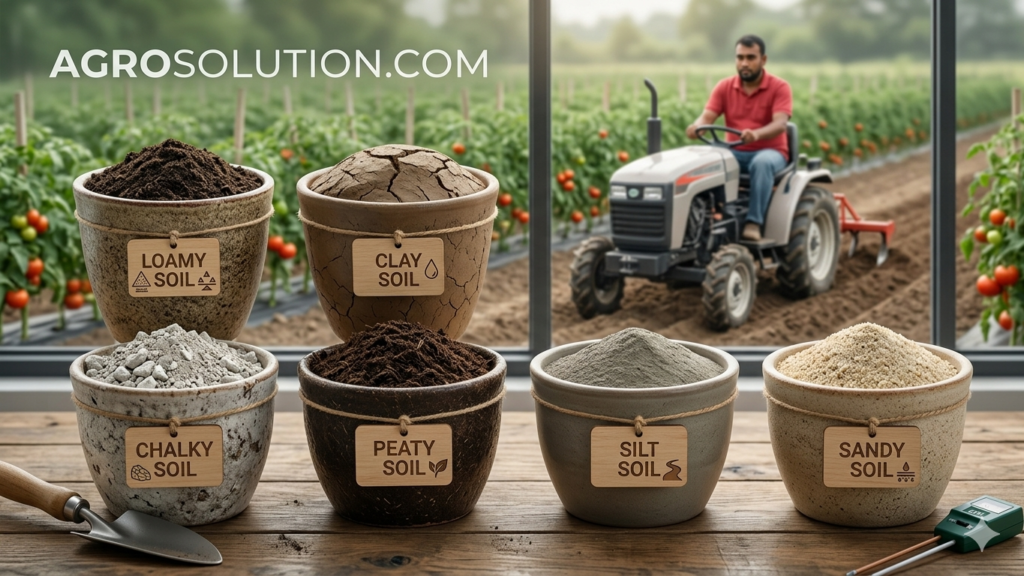
Welcome to our agro farming site . Here you can get the proper solution of your agro farming problem. We offer you enough information and guideline of modern cultivating system. We try to find out the proper way of farming that gives you maximum output. We research and analyze your farming related problem and provide proper guideline how to overcome it. We research and review of different farming tools and suggest you which tool is perfect for your farm, Lawn, And Garden. In this case we today we review Best under-sink drinking-water Filter. And provide the full buying guide so that you may easily choose the perfect on for you.
Looking for the best under-sink drinking-water filter for your kitchen? We compared five NSF-certified systems on filtration stages, output, and ease of installation.
Municipal tap water is safe to drink in most of the U.S., but it can still carry chlorine, lead, PFAS, and other contaminants that affect taste and, in some cases, long-term health. An under-sink drinking-water filter solves this at the source: it installs beneath your kitchen sink and feeds a dedicated faucet, so you get filtered water on demand without pitchers, subscriptions, or bottled water. The right pick depends mostly on two things — whether you want full reverse osmosis (RO) filtration that strips dissolved solids, or a simpler carbon-based system that improves taste and safety while leaving minerals intact.
Below, we broke down five well-reviewed options, from budget-friendly RO systems to a tankless, PFAS-reducing model with smart filter alerts. Each has genuinely different strengths, so the comparison table and reviews below should help you match a system to your kitchen and your water quality goals.
Our Top Picks
| # | Image | Product Name | $$$ |
|---|---|---|---|
| 1 |  |
iSpring RCC7-BN 75 GPD RO System | |
| 2 |  |
VIOMI Vortex 8 9-Stage RO | |
| 3 |  |
Express Water RO5DX 5-Stage RO | |
| 4 |  |
PureDrop RTW5 5-Stage RO | |
| 5 |  |
iSpring US31 3-Stage Filter |
5 Best Under-Sink Drinking-Water Filter Review
1. iSpring RCC7-BN NSF Certified, High Capacity Under Sink 5-Stage Reverse Osmosis Water Filter, RO Drinking System, 75 GPD, Brushed Nickel Faucet, Patented Top-Mounted Faucet Design – Best Overall
PROS
- +75 GPD output, one of the highest capacities in a tank-style system
- +5-stage RO removes 1,000+ contaminants down to 0.0001 microns
- +Top-mounted faucet design makes install and filter swaps easier
- +NSF/ANSI 58 certified with transparent first-stage housing for quick checks
CONS
- −Not designed for well water without extra pre-filtration
- −Storage tank takes up more cabinet space than tankless models
SPECIFICATIONS
| Filtration Stages | 5-stage reverse osmosis |
| Type | Tank-based, under sink |
| Daily Output | 75 GPD |
| Certification | NSF/ANSI 58 |
| Faucet | Brushed nickel, top-mounted design |
The iSpring RCC7-BN earns the top spot because it balances capacity, filtration depth, and ease of maintenance better than anything else on this list. Its 75 GPD output is meaningfully higher than most tank-based competitors, so it keeps up with larger households.
In real use, the top-mounted faucet design is the standout feature — filter changes don’t require crawling under the sink with a wrench, which is a common complaint with older RO systems. The transparent first-stage housing also makes it easy to see when a filter needs replacing.
This system suits anyone on municipal water who wants thorough, certified RO filtration without paying premium prices for smart features. It’s the safest first pick if you’re unsure which system to choose.
Get the iSpring RCC7-BN at Amazon
2. VIOMI® PFAS Reduction Reverse Osmosis System, NSF/ANSI 372&53&42 Certified, 9-Stage & 48 Months Filter, Tankless RO Water Filtration System Under Sink, 800G, Smart LED Reminder – Best Premium Option
PROS
- +9-stage tankless RO with a 3:1 pure-to-drain ratio, very water-efficient
- +Reduces PFOA/PFOS by over 99% and TDS by roughly 90%
- +Fills a cup in about 6 seconds — water on demand, no waiting on a tank
- +Smart LED faucet flags filter changes automatically; compact footprint saves ~65% of under-sink space
CONS
- −Requires an electrical outlet and drilling two holes, so setup is more involved
- −Not compatible with refrigerators or ice makers
SPECIFICATIONS
| Filtration Stages | 9-stage reverse osmosis |
| Type | Tankless, requires electrical outlet |
| Daily Output | 800 GPD |
| Certification | NSF/ANSI 372, 53 & 42 |
| Faucet | Smart LED reminder faucet |
The VIOMI Vortex 8 is the most technically advanced under-sink drinking-water filter here, and it’s priced accordingly. The 9-stage process and PFAS-focused certification target contaminants that older 5-stage systems weren’t built to handle.
Day to day, the tankless design is the biggest difference-maker: water comes out fast, there’s no bulky tank taking up cabinet space, and the LED faucet takes the guesswork out of filter maintenance. The trade-off is a more involved install.
This is the right choice for households specifically concerned about PFAS/PFOA in their water supply, or anyone who wants the newest tankless tech and doesn’t mind the higher price and install complexity.
Get the VIOMI Vortex 8 at Amazon
3. Express Water RO5DX Reverse Osmosis Filtration NSF Certified 5-Stage RO System with Faucet and Tank, 50 GPD, Deluxe Chrome Faucet – Best Budget Pick
PROS
- +NSF/ANSI 58 certified construction, a well-established RO brand
- +5-stage filtration reduces up to 99.99% of lead, chlorine, fluoride and more
- +Deluxe chrome faucet included with a built-in leak detector
- +Straightforward under-sink installation with clear instructions
CONS
- −Uses roughly 1–3 gallons of wastewater per gallon produced
- −0.8 GPM faucet flow, slower than tankless alternatives
SPECIFICATIONS
| Filtration Stages | 5-stage reverse osmosis |
| Type | Tank-based, under sink |
| Daily Output | 50 GPD |
| Certification | NSF/ANSI 58 |
| Faucet | Deluxe chrome |
The Express Water RO5DX has been a go-to entry point into under-sink drinking-water filter systems for years, and it’s easy to see why: certified 5-stage RO filtration at one of the more approachable price points in this category.
In practice, the tradeoffs are what you’d expect from an affordable tank system — the wastewater ratio isn’t as efficient as the tankless models, and the faucet flow is modest. Neither is a dealbreaker for typical household use.
It’s a solid fit for anyone who wants reliable, certified RO filtration on a budget and doesn’t need the fastest flow rate or the most water-efficient design.
Get the Express Water RO5DX at Amazon
4. PureDrop RTW5 SGS-Tested 5-Stage Reverse Osmosis Water Filter System with Innovative Top-Mounted Faucet Design, TDS Reduction, 50 GPD Under Sink RO Water Filtration Plus Extra 3 Filters – Best Value
PROS
- +5-stage RO removes up to 99% of contaminants, including arsenic and heavy metals
- +1:2 pure-to-wastewater ratio, more efficient than some tank-based rivals
- +Top-mounted faucet design simplifies setup
- +Includes 3 extra pre-filters in the box, tested by SGS
CONS
- −Tank-based system uses more under-sink space
- −RO membrane needs replacing every 2–3 years
SPECIFICATIONS
| Filtration Stages | 5-stage reverse osmosis |
| Type | Tank-based, under sink |
| Daily Output | 50 GPD |
| Certification | Tested to NSF/ANSI standards by SGS |
| Faucet | Top-mounted design |
The PureDrop RTW5 competes directly with the RO5DX on paper, but its 1:2 pure-to-wastewater ratio and top-mounted faucet give it a slight edge on efficiency and ease of installation for a similar price.
Buyers consistently mention the included extra pre-filters as a nice touch, since it delays the first filter-replacement purchase. The RO membrane itself still needs periodic replacement like any RO system.
This is a strong pick if you want RO-level filtration with a more modern faucet design than the RO5DX, without stepping up to the VIOMI’s premium price.
Get the PureDrop RTW5 at Amazon
5. iSpring US31 Under Sink Water System, NSF Certified 3-Stage Water Filters, Reduces PFAS, Chloramine, Chlorine and More, Tankless Water Filter System with Faucet – Best for Simple Installation
PROS
- +Tankless 3-stage design frees up cabinet space
- +Delivers up to 1 GPM, noticeably faster than tank-based RO systems
- +Retains natural minerals since it doesn’t strip TDS
- +NSF/ANSI certified, rated for roughly 10,000 gallons before filters need replacing
CONS
- −Doesn’t reduce TDS or dissolved salts, so it’s not a substitute for full RO
- −Three stages offer less contaminant reduction than the 5- and 9-stage RO systems above
SPECIFICATIONS
| Filtration Stages | 3-stage (no RO membrane) |
| Type | Tankless, under sink |
| Flow Rate | Up to 1 GPM |
| Certification | NSF/ANSI 58 |
| Faucet | Included dedicated faucet |
The iSpring US31 takes a different approach than the rest of this list — it skips reverse osmosis entirely in favor of a sediment, carbon, and CTO filter stack. That means it improves taste and reduces chlorine, chloramine, and PFAS without stripping the water’s natural minerals.
The tankless design and fast 1 GPM flow rate make it feel closer to a regular faucet than an RO system, and installation tends to be quicker since there’s no bulky tank to fit under the cabinet.
This system suits buyers who already have decent municipal water quality and mainly want to remove chlorine taste, sediment, and specific contaminants like PFAS — not reduce total dissolved solids.
Get the iSpring US31 at Amazon
How to Choose a Best Under-Sink Drinking-Water Filter
Choosing the best under-sink drinking-water filter starts with understanding your water. Municipal water and well water carry different risks, so it’s worth checking a recent water quality report before shopping. From there, the main decision is reverse osmosis versus carbon-based filtration: RO systems strip nearly everything, including beneficial minerals, while carbon systems target specific contaminants and leave TDS intact. Budget, available cabinet space, and how much water your household uses daily should all factor into the final choice.
Filtration Method (RO vs. Carbon)
Reverse osmosis pushes water through a semi-permeable membrane that blocks dissolved solids, heavy metals, and most contaminants down to the molecular level. Carbon-based systems, by contrast, adsorb chlorine, sediment, and specific chemicals without removing minerals. If your water report shows high TDS, arsenic, or fluoride, RO is generally the safer bet; if your main concern is chlorine taste or PFAS, a carbon system may be sufficient.
Daily Output (GPD)
Gallons-per-day ratings tell you how much filtered water a system can realistically produce. Larger households or anyone who cooks frequently with filtered water should lean toward 75 GPD or higher. Smaller households on a tank system can usually get by with 50 GPD, since the tank stores water between uses.
Tank vs. Tankless Design
Tank-based systems store filtered water for immediate use but take up more cabinet space and can slow down if the tank runs low during heavy use. Tankless systems filter on demand and tend to have faster flow rates, but several require an electrical outlet, which adds a step to installation.
Certification
Look for NSF/ANSI certifications — 58 for reverse osmosis systems, 42 for aesthetic effects like taste and odor, and 53 for health-related contaminant reduction. These third-party certifications confirm that a manufacturer’s claims have actually been tested rather than self-reported.
Installation Requirements
Most under-sink systems are designed for DIY installation with basic tools, but requirements vary. Some tankless RO systems need a drilled hole for the faucet, a drain line, and a power outlet, while simpler carbon systems often connect directly to existing plumbing. If you’re not comfortable with basic plumbing work, factor in the cost of professional installation before choosing a more complex system.
Maintenance and Safety for Under-Sink Drinking-Water Filters
Filter cartridges and RO membranes have a limited lifespan, typically 6–12 months for pre-filters and 2–4 years for RO membranes, depending on usage and source water quality. Sticking to the manufacturer’s replacement schedule matters — an expired filter can stop removing contaminants effectively, even though water still flows through it normally. For general guidance on water treatment technologies and what different certifications mean, the EPA’s water research resources are a useful reference point.
It’s also worth having your water tested periodically, especially if you’re on a private well, since filtration needs can change over time as local water quality shifts.
How to Use a Best Under-Sink Drinking-Water Filter
Once you’ve picked a system, getting it running smoothly comes down to a few basic steps.
- Turn off the cold water supply under the sink and connect the system’s inlet to your existing water line using the provided fittings.
- Install the dedicated faucet (drilling a hole in the sink or countertop if required), then route the outlet line from the filter to the new faucet.
- Flush the system according to the manufacturer’s instructions before drinking the water — most RO systems need the first tank or two discarded to clear out manufacturing residue.
- Set calendar reminders for filter replacements, and if something seems off with flow rate or taste, check the manufacturer’s troubleshooting guide or consult a resource like NSF International’s consumer resources for general guidance on water filtration standards.
Frequently Asked Questions
Q: Do I need reverse osmosis, or is a carbon filter enough?
A: It depends on what’s in your water. If a water quality report shows elevated TDS, arsenic, or fluoride, an RO system like the iSpring RCC7-BN (#1) or the VIOMI Vortex 8 (#2) will remove far more than a carbon-only system. If your main concern is chlorine taste or specific contaminants like PFAS and you’d rather keep natural minerals, the iSpring US31 (#5) is designed for exactly that.
Q: How much water do reverse osmosis systems waste?
A: It varies by system and design. Tank-based RO systems like the Express Water RO5DX (#3) typically use 1–3 gallons of wastewater per gallon of filtered water, while more efficient designs like the PureDrop RTW5 (#4) advertise closer to a 1:2 ratio. Tankless systems with better drain ratios, such as the VIOMI Vortex 8’s 3:1 pure-to-drain ratio, waste noticeably less.
Q: Will an under-sink filter lower my water pressure?
A: Tank-based RO systems can slow down if the tank runs low during heavy simultaneous use, since the RO membrane itself produces water slowly. Tankless systems, including the iSpring US31 (#5) and the VIOMI Vortex 8 (#2), generally maintain more consistent flow because they’re built for higher on-demand rates.
Q: How often do I need to replace the filters?
A: Pre-filters typically last 6–12 months depending on water quality and usage, while RO membranes last longer — the VIOMI Vortex 8 (#2) is rated for up to 48 months on its RO filter. Systems with visual or smart indicators, like the transparent housing on the iSpring RCC7-BN (#1) or the LED alerts on the VIOMI Vortex 8, make it easier to know when it’s time.
Q: Can I install one of these systems myself?
A: Most are designed for DIY installation with basic tools and take well under an hour for someone with light plumbing experience. Tankless systems that require drilling and an electrical outlet, like the VIOMI Vortex 8 (#2), are a bit more involved than simpler tank-based or carbon systems like the Express Water RO5DX (#3) or iSpring US31 (#5).
Final Thoughts
All five systems here are legitimate, NSF-tested options — the real decision comes down to how much filtration you need and how much cabinet space and installation effort you’re willing to commit. If you’re unsure whether you need full RO, checking a water quality report first will save you from over- or under-buying.
For most households, the iSpring RCC7-BN offers the best balance of capacity, certification, and ease of maintenance. If PFAS reduction and a tankless design are non-negotiable for you, the VIOMI Vortex 8 is the stronger pick despite the higher price and more involved install.