Welcome to our agro farming Rostrum . Here you can get the proper solution of your agro farming problem. We offer you enough information and guideline of modern cultivating system. We try to find out the proper way of farming that gives you maximum output. We research and analyze your farming related problem and provide proper guideline how to overcome it. We research and review of different farming tools and suggest you which tool is perfect for your farm, Lawn, And Garden. In this case we today we review Best Lawn Fertilizer which best for Outdoor Gardening or farming. And provide the full buying guide so that you may easily choose the perfect one for you.
Looking for the best lawn fertilizer to green up, thicken, and protect your grass this season? We compared five top-rated formulas so you can pick the right one fast.
A healthy, thick lawn starts with the right nutrients, and the fertilizer aisle can be overwhelming once you factor in NPK ratios, release rates, iron content, and coverage area. Some products are built for one-and-done seasonal feeding, others focus on deep green color, and a few are formulated specifically to help turf survive heat and drought stress. Choosing the right one depends largely on your grass type, your climate, and how hands-on you want your lawn care routine to be.
Below, we break down five well-reviewed options that cover the most common needs — from budget-friendly bags that cover huge yards to professional-grade blends favored by serious DIY lawn care enthusiasts. Here’s how they stack up.
Our Top Picks
| # | Image | Product Name | $$$ |
|---|---|---|---|
| 1 |  |
Andersons PGF Complete 16-4-8 | |
| 2 | 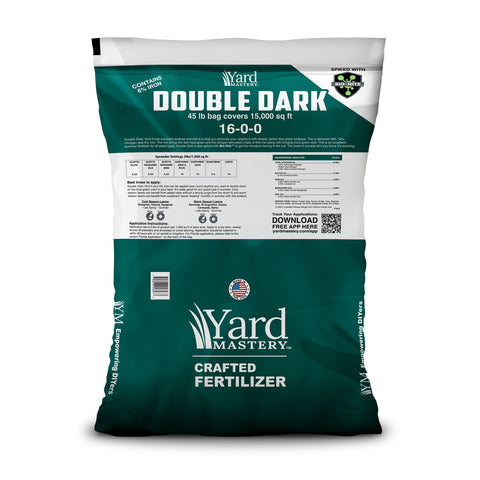 |
Yard Mastery Double Dark 16-0-0 | |
| 3 | 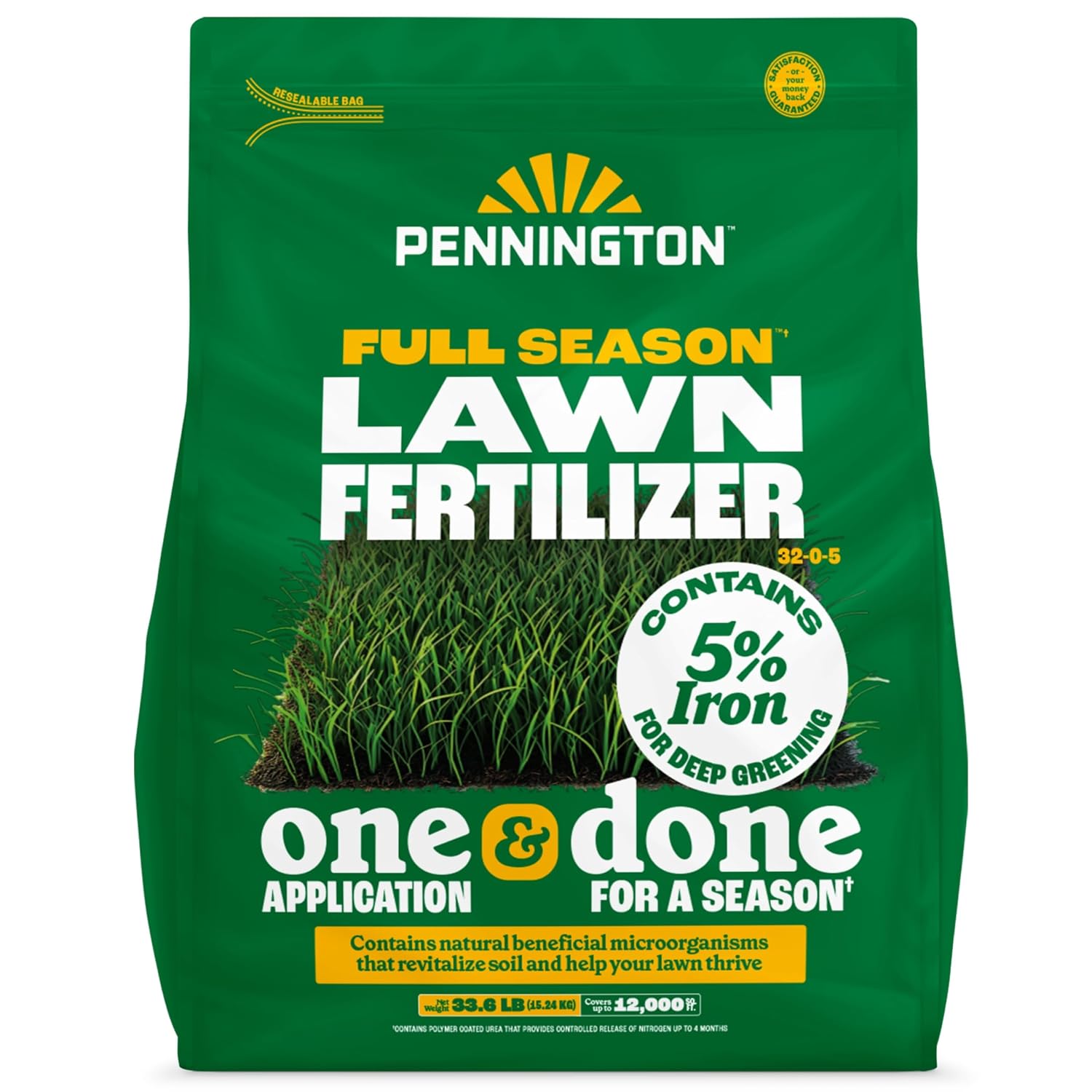 |
Pennington Full Season 32-0-5 | |
| 4 |  |
Slow Release Lawn Fertilizer 25-5-10 | |
| 5 |  |
7-0-20 Summer Stress Blend |
5 Best Lawn Fertilizer Review
Our team select top five Best Lawn Fertilizer by using their previous farming experience. Beside this they research and analysis their selected product according to the authentic customer review and the product information which is provided by the manufacturing company. They try to collect and use all the 5 product in their own farm so that they easily differentiate every characteristics of these product. Based on their analysis, research and using experience they selected top 5 Best Lawn Fertilizer for you which is described briefly in below…
1. The Andersons Professional PGF Complete 16-4-8 Fertilizer with 7% Humic DG – Best Overall
PROS
- +Professional-grade complete NPK blend supports roots, color, and density in one bag
- +Humic DG technology activates into the soil quickly once watered in
- +Phosphorus content supports root establishment without excessive top growth
- +Trusted by lawn care professionals and DIY enthusiasts alike
CONS
- −18 lb bag only covers 5,000 sq. ft., so larger yards need multiple bags
- −Premium pro-grade pricing sits above basic big-box fertilizers
SPECIFICATIONS
| NPK Analysis | 16-4-8 |
| Bag Weight | 18 lbs |
| Coverage | Up to 5,000 sq. ft. |
| Key Ingredient | 7% Humic DG (Dispersing Granule) Technology |
| Application Frequency | Every 6–8 weeks during the growing season |
The Andersons has built a reputation among serious lawn care hobbyists, and PGF Complete backs that up with a balanced 16-4-8 formula designed to feed roots, color, and density at once. The humic DG particles are engineered to move into the soil quickly once watered, rather than sitting on top of the turf.
In real-world use, the combination of nitrogen and humic acid tends to produce a steady, even green-up rather than a sudden growth spurt. Reviewers on lawn care forums frequently cite it as a staple in their seasonal rotation, particularly for cool-season lawns needing root support heading into stressful months.
This one suits homeowners who want a single, well-rounded product rather than juggling separate nitrogen, phosphorus, and micronutrient bags. The smaller coverage per bag is the main trade-off, but the consistency of results makes it our top overall pick.
Get the The Andersons Professional PGF Complete 16-4-8 Fertilizer with 7% Humic DG at Amazon
2. Yard Mastery 16-0-0 Double Dark Granular Lawn Fertilizer with 6% Iron and Bio-Nite – Best for Deep Green Color
PROS
- +6% iron content is higher than most competing granular fertilizers
- +Slow-release nitrogen boosts color without triggering a growth flush
- +Bio-Nite ingredient feeds soil microbes for long-term soil health
- +Works on both cool-season and warm-season grass types
CONS
- −Nitrogen-only formula (16-0-0) won’t replace a complete feeding program
- −Needs watering in within 48 hours to prevent surface staining
SPECIFICATIONS
| NPK Analysis | 16-0-0 |
| Bag Weight | 45 lbs |
| Coverage | Up to 15,000 sq. ft. |
| Key Ingredient | 6% Iron + Bio-Nite Soil Additive |
| Application Frequency | Every 30–45 days |
Yard Mastery built Double Dark around one specific goal: color. The 6% iron concentration is unusually high, and it’s paired with just enough slow-release nitrogen to help the grass actually absorb that iron without triggering a surge of top growth that means more mowing.
The included Bio-Nite ingredient is a bio-solid soil additive that continues feeding microbial life in the soil after each application, something homeowners chasing a purely cosmetic quick fix often overlook. Results tend to show up within one to two weeks in active growing conditions.
This is best treated as a color-boosting supplement rather than a full feeding program, since it skips phosphorus and potassium entirely. Pair it with a balanced fertilizer earlier in the season for the best overall lawn health.
Get the Yard Mastery 16-0-0 Double Dark Granular Lawn Fertilizer with 6% Iron and Bio-Nite at Amazon
3. Pennington Full Season Lawn Fertilizer 32-0-5 – Best for Easy, One-and-Done Application
PROS
- +One application feeds the lawn for up to 4 months
- +5% iron delivers deep green color without repeated feedings
- +Contains natural microorganisms that help revitalize soil over time
- +Large 12,000 sq. ft. coverage suits mid-to-large lawns
CONS
- −Zero phosphorus makes it less ideal for new seed or root establishment
- −Best results depend on avoiding heavy rain right after application
SPECIFICATIONS
| NPK Analysis | 32-0-5 |
| Bag Weight | 33.6 lbs |
| Coverage | Up to 12,000 sq. ft. |
| Key Ingredient | 5% Iron + Polymer-Coated Slow-Release Urea |
| Feeding Duration | Up to 4 months per application |
Pennington’s Full Season formula is built for homeowners who want to fertilize once and move on with their summer. The polymer-coated urea releases nitrogen gradually over roughly four months, which smooths out the peaks and valleys you’d get from a fast-release product.
The 5% iron content adds visible color within the first couple of weeks, and the inclusion of beneficial microorganisms is a nice bonus for long-term soil quality. Coverage of up to 12,000 sq. ft. per bag also makes it a solid value for larger properties.
It suits homeowners who don’t want a complicated fertilization schedule. Just keep in mind the lack of phosphorus means it’s not the right pick if you’re establishing new grass or repairing bare patches.
Get the Pennington Full Season Lawn Fertilizer 32-0-5 at Amazon
4. Slow Release Lawn Fertilizer 25-5-10 NPK, 65% Granular Nitrogen – Best Budget Pick
PROS
- +Large 44 lb bag offers strong value per square foot covered
- +65% slow and quick release nitrogen blend feeds for up to 110 days
- +Formulated to be safe for kids and pets once applied as directed
- +Suitable for residential lawns and larger turf areas like sports fields
CONS
- −Larger granules can be harder to spread evenly with handheld spreaders
- −Higher nitrogen percentage requires careful measuring to avoid over-application
SPECIFICATIONS
| NPK Analysis | 25-5-10 |
| Bag Weight | 44 lbs (20 kg) |
| Coverage | Approx. 8,800 sq. ft. (at 5 lb/1,000 sq ft) |
| Key Ingredient | 65% Slow + Quick Release Nitrogen |
| Feeding Duration | Up to 110 days |
This 44 lb bag delivers a genuinely balanced 25-5-10 blend at a price point that’s hard to beat on a per-pound basis. The 65% slow and quick-release nitrogen combination means you get visible green-up early, followed by steady feeding that stretches out to roughly 110 days.
Reviewers describe noticeable color change within three to four days of application, with the deeper root and density benefits showing up over the following weeks. It’s marketed as kid- and pet-safe once applied and watered in, which matters for households with a yard that gets heavy foot traffic.
The trade-off is granule size, which some users find a bit chunky for lightweight handheld spreaders. A standard broadcast or drop spreader handles it without issue, and the overall value makes it a smart budget pick.
Get the Slow Release Lawn Fertilizer 25-5-10 NPK, 65% Granular Nitrogen at Amazon
5. 7-0-20 Summer Lawn and Turf Stress Granular Fertilizer Blend with Bio-Nite – Best for Heat & Drought Recovery
PROS
- +High potassium (20%) content specifically supports stress and drought recovery
- +3% iron adds color without pushing excessive growth in hot months
- +Bio-Nite filler supports soil microbial activity with every application
- +Can be used nearly year-round on warm- and cool-season lawns
CONS
- −Lower nitrogen content means it’s not a primary growth fertilizer on its own
- −Best paired with a separate nitrogen-focused feeding for complete lawn care
SPECIFICATIONS
| NPK Analysis | 7-0-20 |
| Bag Weight | 18 lbs |
| Coverage | Up to 6,000 sq. ft. |
| Key Ingredient | 3% Iron + Bio-Nite Organic Filler |
| Application Frequency | Every 30–45 days |
Rather than chasing color or growth, this Stress Blend formula is built around potassium, the nutrient most closely tied to a lawn’s ability to handle heat, drought, and general wear and tear. At 20% potash, it’s noticeably higher than most all-purpose fertilizers.
The 3% iron content still adds some visible color, and the Bio-Nite filler contributes ongoing soil microbial benefits with each use. It’s designed as a warm-weather companion product rather than a full replacement for a spring or fall feeding.
Homeowners in hot, drought-prone climates or those managing warm-season turf will likely get the most value here, using it between primary fertilizer applications to help the lawn ride out stressful stretches of summer.
Get the 7-0-20 Summer Lawn and Turf Stress Granular Fertilizer Blend with Bio-Nite at Amazon
How to Choose the Best Lawn Fertilizer for Your Yard
The right choice for your yard depends on grass type, climate, and what your lawn actually needs at that point in the season, whether that’s root establishment, color, or stress recovery. Every product is described by three numbers on the bag, the NPK ratio, which tells you the percentage of nitrogen, phosphorus, and potassium it contains. Understanding what each of these does — along with a few other key factors — makes it much easier to pick the right bag instead of guessing. For a deeper dive into building a full seasonal routine, our complete lawn care planning guide walks through timing each application.
NPK Ratio & Nutrient Balance
Nitrogen (N) drives leafy green growth, phosphorus (P) supports root development, and potassium (K) strengthens overall resilience to stress, disease, and traffic. A balanced, all-purpose fertilizer typically has all three in reasonable amounts, while specialty blends lean heavily toward one nutrient for a specific purpose, like the potassium-heavy stress blends used for summer recovery.
Nitrogen Release Rate (Quick vs. Slow-Release)
Quick-release nitrogen greens up a lawn fast but can burn grass if overapplied and fades within a few weeks. Slow-release formulas, often using coated or polymer urea, feed steadily over weeks or months, producing more even growth and reducing the risk of nutrient runoff into storm drains.
Coverage Area & Bag Size
Always measure your lawn’s square footage before buying, since bags are formulated for a specific coverage rate. Buying a bag sized for a smaller lawn than yours leads to under-fertilizing, while overapplying wastes product and can stress the grass.
Iron Content for Color
Iron is a micronutrient, not one of the three NPK numbers, but it plays a major role in producing that deep green color homeowners want. Products with 3% or more iron typically show a visible color change within one to two weeks of application.
Grass Type Compatibility
Cool-season grasses like fescue and Kentucky bluegrass generally respond well to nitrogen-heavy fall feedings, while warm-season grasses like Bermuda and St. Augustine benefit more from summer applications. Most of the products above work across grass types, but checking the label against your specific lawn avoids mismatched timing.
Lawn Fertilizer Safety & Application Timing
Applying fertilizer correctly matters as much as picking the right formula. Overapplication is one of the most common mistakes homeowners make, and excess nitrogen and phosphorus that isn’t absorbed by the lawn can wash into storm drains and local waterways, contributing to algae blooms and other water quality issues. The EPA’s guidance on nutrient pollution and yard care outlines simple steps homeowners can take, like sweeping excess granules off hard surfaces and avoiding application before heavy rain, to reduce this runoff risk.
Timing also affects results. Most granular fertilizers perform best when applied to a lawn that’s actively growing, avoiding periods of drought stress or extreme heat when grass can’t absorb nutrients efficiently. Always follow the specific spreader settings and watering-in instructions printed on the bag.
How to Use Lawn Fertilizer
Once you’ve picked a product, applying it correctly makes the biggest difference in results. Follow these four steps for a consistent, even feeding.
- Mow your lawn a day or two before applying fertilizer, and water it lightly if the soil feels dry, since most products work best on lightly moist (not soaked) turf.
- Calibrate your spreader according to the settings printed on the bag, then walk at a steady, consistent pace in straight, slightly overlapping rows to avoid stripes or missed patches.
- Water the lawn in as directed, typically within 24–48 hours, to move nutrients into the root zone and reduce the risk of surface burn or staining on driveways and sidewalks.
- Keep a simple log of application dates and products used so you can track your feeding schedule; the University of Minnesota Extension’s lawn fertilizing guide is a solid reference for building out a full annual timeline by grass type.
Frequently Asked Questions
Q: What is the best lawn fertilizer for a lawn that needs an easy, low-maintenance routine?
A: The Pennington Full Season Lawn Fertilizer 32-0-5 (#3 on our list) is built specifically for one-and-done seasonal feeding, releasing nitrogen gradually over about four months. It’s a strong fit for homeowners who don’t want to remember multiple application dates throughout the growing season.
Q: How often should I fertilize my lawn?
A: Most lawns benefit from three to four applications per year, spaced roughly six to eight weeks apart during the active growing season. Slow-release, one-application products like our #3 pick can stretch that schedule out further, while stress or color-boosting blends like our #2 and #5 picks are typically used as supplements between primary feedings.
Q: Can I use a high-iron fertilizer like the Yard Mastery Double Dark on any grass type?
A: Yes, the Yard Mastery 16-0-0 Double Dark (#2 on our list) is formulated to work on both cool-season and warm-season lawns. Since it skips phosphorus and potassium, it’s best used alongside a more balanced fertilizer rather than as your only feeding.
Q: Is a bigger bag always a better value?
A: Not necessarily, since coverage area and nutrient concentration matter more than total weight. The Slow Release Lawn Fertilizer 25-5-10 (#4 on our list) offers strong value thanks to its large coverage and long feeding window, but a smaller, more concentrated bag like the Andersons PGF Complete (#1) can still be the better overall choice depending on your lawn’s needs.
Q: What’s the safest way to fertilize a lawn near a storm drain or waterway?
A: Sweep any granules that land on driveways, sidewalks, or streets back onto the grass rather than letting them wash away, and avoid applying fertilizer right before heavy rain is expected. Sticking to the recommended application rate on the bag, rather than applying extra “just in case,” is one of the simplest ways to reduce nutrient runoff.
Final Thoughts
There’s no single best lawn fertilizer for every yard, but narrowing the choice down to your grass type, climate, and how much upkeep you’re willing to do makes the decision much easier. A balanced, complete formula covers most general needs, while specialty blends for color or stress recovery work best as supplements to that core routine.
For most buyers, the Andersons PGF Complete 16-4-8 offers the best balance of performance and value as a complete feeding solution. If you’re chasing that deep, envy-inducing green color instead, the Yard Mastery Double Dark 16-0-0 is the stronger pick thanks to its unusually high 6% iron content. Whichever you choose, check out more seasonal lawn care tips over at Agrosolution to keep your yard looking its best year-round.