Welcome to our agro farming Rostrum . Here you can get the proper solution of your agro farming problem. We offer you enough information and guideline of modern cultivating system. We try to find out the proper way of farming that gives you maximum output. We research and analyze your farming related problem and provide proper guideline how to overcome it. We research and review of different farming tools and suggest you which tool is perfect for your farm, Lawn, And Garden. In this case we today we review Best Manual Hole Digger Tool for Gardening which best for Outdoor Gardening or farming. And provide the full buying guide so that you may easily choose the perfect one for you.
Find the best manual hole digger tool for gardening with our hands-on comparison of five top-rated picks for fences, posts, and planting.
Digging clean, consistent holes by hand is one of those jobs that separates a smooth weekend project from a sore back and a wonky fence line. Whether you’re setting mailbox posts, installing a new fence, or popping in bulbs and seedlings, the right tool makes the difference between fighting the soil and working with it. Blade sharpness, handle length, and overall build quality all affect how much effort a hole actually takes, and not every listing tells the full story until you dig into the details.
To save you the guesswork, we compared five popular manual digging tools side by side, looking at their blades, handles, and real-world use cases. Below you’ll find a quick comparison table followed by in-depth reviews of each pick, plus a buying guide to help you match the right tool to your project.
Our Top Picks
| # | Image | Product Name | $$$ |
|---|---|---|---|
| 1 |  |
Nohovu 58″ Post Hole Digger | |
| 2 | 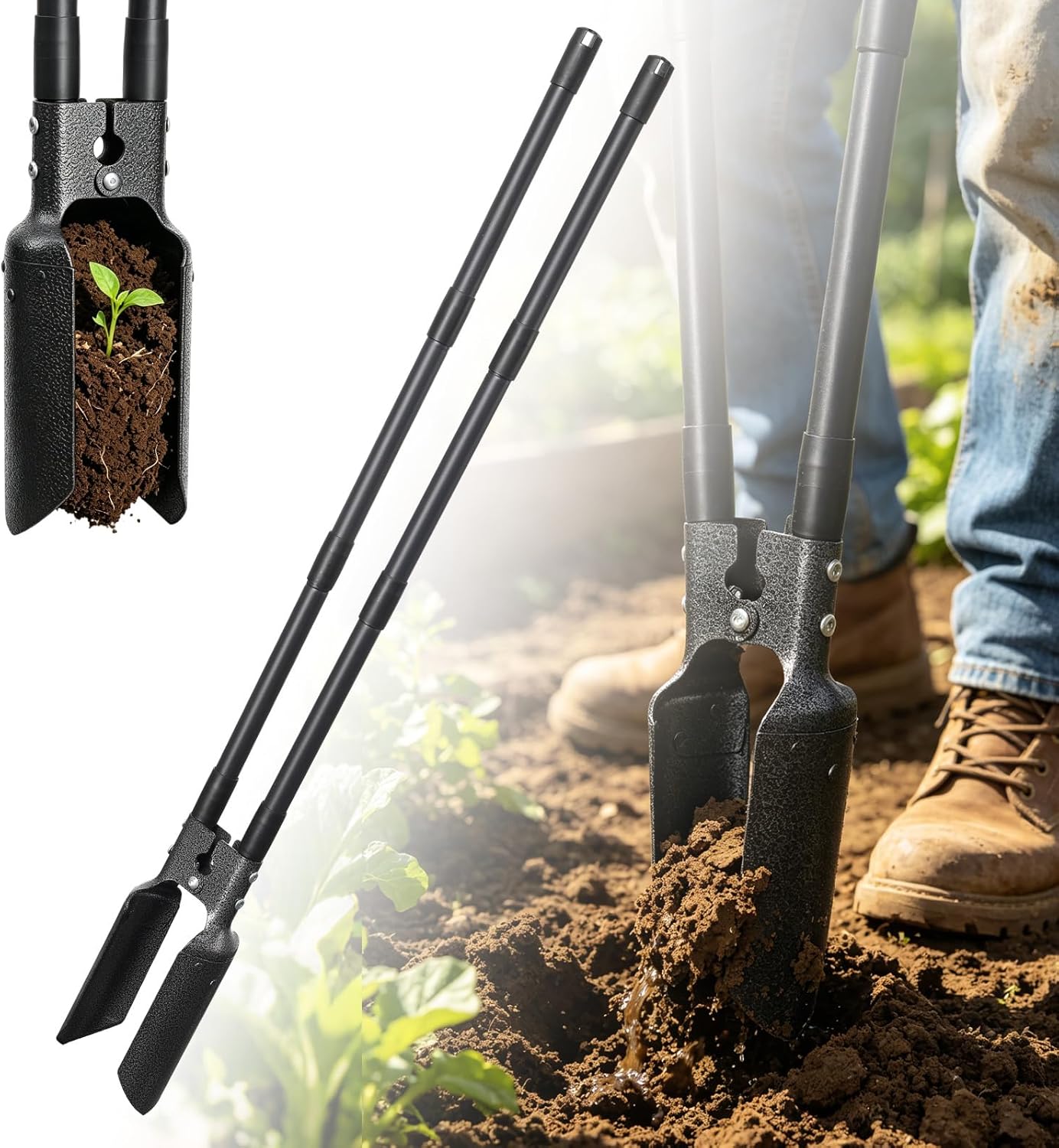 |
THANKSFINE 57″ Fence Post Digger | |
| 3 |  |
LLARGUEST 57″ Metal Hole Digger | |
| 4 |  |
REILEIHODE 4.5FT Hole Digger | |
| 5 |  |
Erinaik Sod Plugger Tool |
5 Best Manual Hole Digger Tool for Gardening Review
Our team select top five Best Manual Hole Digger Tool for Gardening by using their previous farming experience. Beside this they research and analysis their selected product according to the authentic customer review and the product information which is provided by the manufacturing company. They try to collect and use all the 5 product in their own farm so that they easily differentiate every characteristics of these product. Based on their analysis, research and using experience they selected top 5 Best Manual Hole Digger Tool for Gardening which is described briefly in below…
1. Nohovu Post Hole Digger, Heavy Duty with Fiberglass Handle, Carbon Steel Blades, 58 Inches, Orange & Black – Best Overall
PROS
- +Sharp, curved carbon steel blades cut through hard and clay soil
- +58-inch length reduces bending and back strain
- +Thickened fiberglass handles with non-slip grips
- +Double-reinforced head-to-handle joints for durability
CONS
- −Fixed length may feel long for shorter gardeners
- −Carbon steel blades should be dried after use to prevent rust
SPECIFICATIONS
| Blade Material | High-quality carbon steel, curved edges |
| Handle Material | Thickened fiberglass, non-slip grip |
| Overall Length | 58 inches |
| Color | Orange & Black |
| Best Use | Fence posts, mailbox installs, general garden digging |
The Nohovu digger earns the top spot because it balances strength, comfort, and price better than anything else on this list. Its carbon steel blades hold a sharp, curved edge that bites into clay and rooted soil without much extra force from the user.
In everyday use, the 58-inch fiberglass handles keep you upright instead of hunched over, and the non-slip grip stays secure even with gloved hands. The reinforced joint between head and handle held up well under repeated digging without any wobble.
It suits homeowners tackling fence lines, mailbox posts, or general yard digging who want one reliable tool rather than a specialty one. For the price, it’s hard to beat as an everyday pick.
Get the Nohovu Post Hole Digger at Amazon
2. THANKSFINE Post Hole Digger Manual, 57″ Fence Post Digger with Carbon Steel Blades, Adjustable Long-Handle Plant Hole Digging Tool – Best for Multiple Users
PROS
- +Adjustable handle positions suit users of different heights
- +Rust-resistant, pre-sharpened carbon steel blades
- +Tool-free assembly in under 3 minutes
- +Two-piece detachable design for compact storage
CONS
- −Adjustable joint needs periodic checking on heavy jobs
- −Blades still benefit from occasional oiling despite coating
SPECIFICATIONS
| Blade Material | Carbon steel, pre-sharpened, rust-resistant coating |
| Overall Length | 57 inches, adjustable handle positions |
| Assembly | Tool-free, under 3 minutes |
| Design | Two-piece, detachable for storage/transport |
| Best Use | Fences, mailbox posts, tree planting, shared households |
THANKSFINE’s digger stands out for its adjustable handle positions, which make it a smart pick for households where more than one person shares yard duties. The pre-sharpened carbon steel blades cut through tough clay and rocky ground without much resistance.
Assembly is genuinely tool-free, and testers had it ready to use in a few minutes right out of the box. The two-piece design also breaks down for easy storage in a shed or the back of a vehicle, which is handy if you’re moving between job sites.
This one is best suited to gardeners and small-scale landscapers who want flexibility in handle height and appreciate a tool that stores compactly between projects.
Get the THANKSFINE Post Hole Digger at Amazon
3. LLARGUEST Post Hole Digger, 57 Inch Heavy Duty Metal Hole Digger Tool for Digging, Grey Manual Tool for Transplanting – Best Budget Pick
PROS
- +One of the most affordable options in this roundup
- +Segmented handle detaches for easy transport and storage
- +Heavy duty metal head handles harsh soil conditions
- +Versatile for transplanting, mailbox posts, and channels
CONS
- −Hex bolts on the blades need periodic tightening
- −Digs a shallower 6-8 inches per scoop than heavier models
SPECIFICATIONS
| Head Material | Heavy duty metal, screw-connected blades |
| Overall Length | 57 inches |
| Dig Depth | Approximately 6-8 inches per scoop |
| Design | Segmented handle, detachable for carrying |
| Best Use | Transplanting, mailbox/fence posts, light excavation |
If you just need a reliable digger without spending much, the LLARGUEST is the clear budget choice. The metal head is genuinely tough for the price and pushes through harsh, compacted soil without bending.
The segmented handle is the standout feature here: it breaks down into pieces that fit easily into a car trunk or storage bin, which regular post hole diggers usually can’t do. Just remember to check the hex bolts on the blades periodically, since they can loosen with heavy use.
It’s best suited to occasional users, renters, or anyone tackling smaller transplanting and post jobs who wants a portable, wallet-friendly tool.
Get the LLARGUEST Post Hole Digger at Amazon
4. REILEIHODE Post Hole Digger 4.5FT Heavy Duty Hole Digger with Dual Sharp Blades, Professional Manual Hole Digger Tool for Gardening, Transplanting, Fence Installation & Construction – Best Premium Option
PROS
- +4.5-foot length gives extra reach and leverage for deeper holes
- +Dual sharp blades built for demanding construction-grade jobs
- +Ergonomic handles reduce strain on extended jobs
- +Quick 5-minute setup and easy disassembly for storage
CONS
- −Longer length is less nimble in tight garden beds
- −Sits at the higher end of the price range here
SPECIFICATIONS
| Overall Length | 4.5 feet (54 inches) |
| Blades | Dual sharp blades |
| Handles | Ergonomic, comfort grip |
| Assembly | About 5 minutes, simple disassembly |
| Best Use | Fence installation, construction, deeper post holes |
The REILEIHODE digger is built for people who dig often and want a tool that can handle bigger jobs. At 4.5 feet, it’s the longest option on this list, giving you extra leverage when a hole needs to go deeper than average.
The dual blades are noticeably sturdier than the more consumer-grade options here, and the ergonomic handles held up comfortably during longer digging sessions. Setup and breakdown are both quick, which matters if you’re moving the tool between job sites.
This is the pick for serious DIYers, small contractors, or anyone installing a full fence line where a lighter-duty digger would slow you down.
Get the REILEIHODE Post Hole Digger at Amazon
5. Erinaik Sod Plugger Tool with Long Handle, Garden Grass Plugger Tool with Foot Ejector, Bulb Planter Serrations and Non-Slip Soft Grip Handle – Best for Seedlings & Bulb Planting
PROS
- +Foot ejector releases soil plugs without bending down
- +Serrated base cuts cleanly through sod and small roots
- +Non-slip soft grip handle stays comfortable for repetitive planting
- +Ideal multi-purpose tool for bulbs, seedlings, and lawn repair
CONS
- −Not built for deep post holes like the other picks on this list
- −Plug size is smaller than what full-size diggers pull
SPECIFICATIONS
| Tool Type | Sod plugger / bulb planter |
| Blade Edge | Sharp serrations for clean cuts |
| Release Mechanism | Foot ejector |
| Handle | Long handle, non-slip soft grip |
| Best Use | Bulb planting, seedling transplants, turf repair |
The Erinaik sod plugger takes a different approach than the other tools on this list. Instead of digging a deep post hole, it’s designed to pull neat plugs of turf or soil for bulbs, seedlings, and lawn repair patches.
The foot ejector is the feature that stands out in real use: stepping on the pedal pops the plug free without you having to crouch down or shake the tool loose. The serrated base also handled small roots and compacted turf better than expected.
This is the right choice for anyone planting spring bulbs, patching bare lawn spots, or moving seedlings, rather than someone setting fence posts. Pair it with one of the post hole diggers above if your project needs both.
Get the Erinaik Sod Plugger Tool at Amazon
How to Choose the Best Manual Hole Digger Tool for Gardening
A manual hole digger is any hand-operated tool used to remove soil for fence posts, mailboxes, transplants, or bulbs without powered equipment. Choosing the right one matters because the wrong tool can turn a quick project into an exhausting one, or leave you with a hole that’s too shallow, too narrow, or badly shaped for what you’re installing. The best manual hole digger tool for gardening depends on the depth you need, the soil type you’re working with, and how often you’ll use it. Matching those factors to a tool’s blade, length, and build quality is the fastest way to pick correctly the first time.
Blade Material and Sharpness
Carbon steel and manganese steel blades hold an edge longer and resist bending in rocky or clay-heavy soil better than lower-grade metals. A pre-sharpened, curved blade cuts through roots and compacted ground with less effort than a flat or dull one. Check whether the listing mentions rust-resistant coating, since exposed steel corrodes quickly if left outside or stored damp.
Handle Length and Material
Longer handles, generally in the 54 to 60 inch range, let you dig while standing upright, which spares your lower back over a long project. Fiberglass handles are lighter and more weather-resistant than wood, while steel tube handles are heavier but more rigid for construction-grade use. Adjustable handles are worth considering if more than one person in the household will be using the tool.
Digging Depth and Blade Spread
Post holes for fences typically need to reach well below the local frost line, so check how wide the blades open and how deep the tool is rated to go before buying. Sod pluggers and bulb planters work differently, pulling a shallow plug rather than a deep column of soil, so match the tool type to the actual job rather than assuming “digger” means the same thing across listings.
Build Quality and Joints
The connection point between the blades and the handles takes the most stress during use, so look for reinforced or welded joints rather than simple screws where possible. Tools with hex bolts or adjustable joints should be checked periodically to make sure nothing has worked loose after repeated digging.
Portability and Storage
Segmented or detachable designs are worth prioritizing if you need to transport the tool in a car or store it in limited shed space. A tool that breaks down in seconds without extra hardware saves real hassle, especially for renters or anyone working across multiple properties.
Digging Depth, Frost Lines, and Common Mistakes
One of the most common mistakes with any manual digger is stopping too shallow. As a general guideline, a post hole should reach roughly one-third to one-half of the post’s above-ground height, and in colder regions it also needs to sit below the local frost line to avoid the post being pushed upward as the ground freezes and thaws, a process explained in more detail in Lowe’s guide to laying out and digging a post hole.
Ergonomics matters just as much as depth. Using a tool that’s the wrong length for your height, or gripping it improperly, is a fast way to strain your back or wrists over a long digging session. University of Missouri Extension’s guidance on garden tool ergonomics is a useful reference before buying, especially if you’ll be digging multiple holes in one session.
How to Use a Manual Hole Digger Tool for Gardening
Getting a clean, properly sized hole comes down to a consistent process rather than brute force. Follow these steps for the best results.
- Mark and prepare the spot. Use stakes or spray paint to mark the exact hole location, and call your local utility locator before digging near property lines, fences, or buried lines.
- Start the hole. Drive the blades straight down and open the handles to scoop soil, working in a steady rhythm rather than forcing each bite too deep at once.
- Check depth and width as you go. Periodically measure against the post or plant you’re installing, and keep the hole’s sides as vertical as possible for a stable fit.
- Finish and maintain the tool. Once the hole reaches target depth, wipe soil from the blades and store the digger dry to prevent rust. For deeper post holes in cold climates, confirm your depth meets local frost-line requirements before backfilling.
Frequently Asked Questions
Q: What’s the difference between a post hole digger and a sod plugger?
A: A post hole digger, like the Nohovu (#1) or REILEIHODE (#4), uses two hinged blades to scoop a deep, narrow column of soil for posts. A sod plugger, like the Erinaik (#5), pulls a shallow, round plug of turf or soil for bulbs and seedlings instead. They solve different problems, so it’s worth having one of each if your yard work covers both fencing and planting.
Q: How deep should I dig a fence post hole?
A: A common rule of thumb is to bury roughly one-third to one-half of the post’s above-ground height, and to go at least a few inches below your area’s frost line in cold climates. Local building codes sometimes specify an exact minimum, so it’s worth checking before you start. Longer diggers like the REILEIHODE (#4) make reaching greater depths easier than shorter tools.
Q: Are carbon steel blades better than stainless steel for digging?
A: Carbon steel, used in picks like the Nohovu (#1) and THANKSFINE (#2), generally holds a sharper edge and handles rocky or clay soil better than stainless steel. The tradeoff is that it needs to be dried and occasionally oiled to prevent rust, while stainless resists corrosion better but is often softer.
Q: Can one person operate a manual post hole digger comfortably?
A: Yes, all five tools in this roundup are designed for single-person use, with long handles that let you dig while standing. Adjustable models like the THANKSFINE (#2) can make the process more comfortable if the tool will be shared between people of different heights.
Q: How do I store a manual digger to keep it from rusting?
A: Wipe soil and moisture off the blades after every use, then store the tool somewhere dry, such as a shed or garage, rather than leaving it outdoors. Detachable designs like the LLARGUEST (#3) and THANKSFINE (#2) make this easier since they break down into smaller pieces for indoor storage.
Final Thoughts
There’s no single “best” digger for every job. What matters most is matching the tool’s blade material, length, and depth capacity to the project in front of you, whether that’s a fence line, a mailbox post, or a bed of spring bulbs. Any of the five tools here will outperform digging by hand, so the right pick really comes down to your soil conditions and how often you expect to use it.
For most buyers tackling general fence and post work, the Nohovu Post Hole Digger offers the best balance of blade sharpness, comfort, and price. If your projects lean more toward bulbs, seedlings, and lawn repair rather than deep post holes, the Erinaik Sod Plugger is the stronger pick for its foot-ejector plug release and cleaner turf cuts.